Comprehensive information about tools and equipment used in dental clinics and laboratories
Modern dental practices rely on a wide range of specialized equipment to deliver quality care. This page provides educational information about various types of dental equipment used in clinical and laboratory settings across Saudi Arabia.
Essential tools and devices used directly in patient treatment areas, including dental chairs, delivery systems, and examination instruments.
Specialized equipment used in dental laboratories for fabricating prosthetics, crowns, bridges, and other dental appliances.
Critical equipment for maintaining infection control standards, including autoclaves and sterilization monitoring devices.
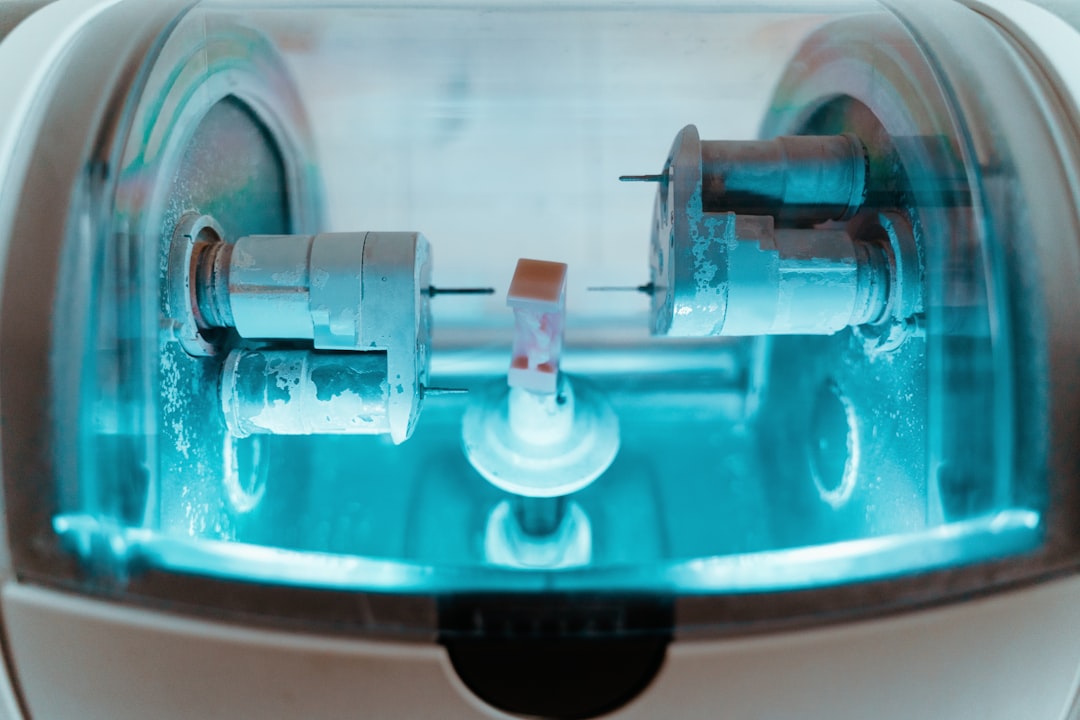
Ergonomically designed patient chairs with adjustable positions, integrated delivery systems, and operator controls for optimal access during procedures.
Integrated units containing handpieces, air/water syringes, suction systems, and other essential instruments within easy reach of the operator.
Specialized lighting systems providing shadow-free illumination of the treatment area with adjustable intensity and positioning.
High-volume evacuators and saliva ejectors for removing fluids and debris during dental procedures.
High-speed and low-speed rotary instruments used for cutting, shaping, and polishing dental materials and tooth structure.
Devices using ultrasonic vibrations for efficient removal of calculus and stains from tooth surfaces.
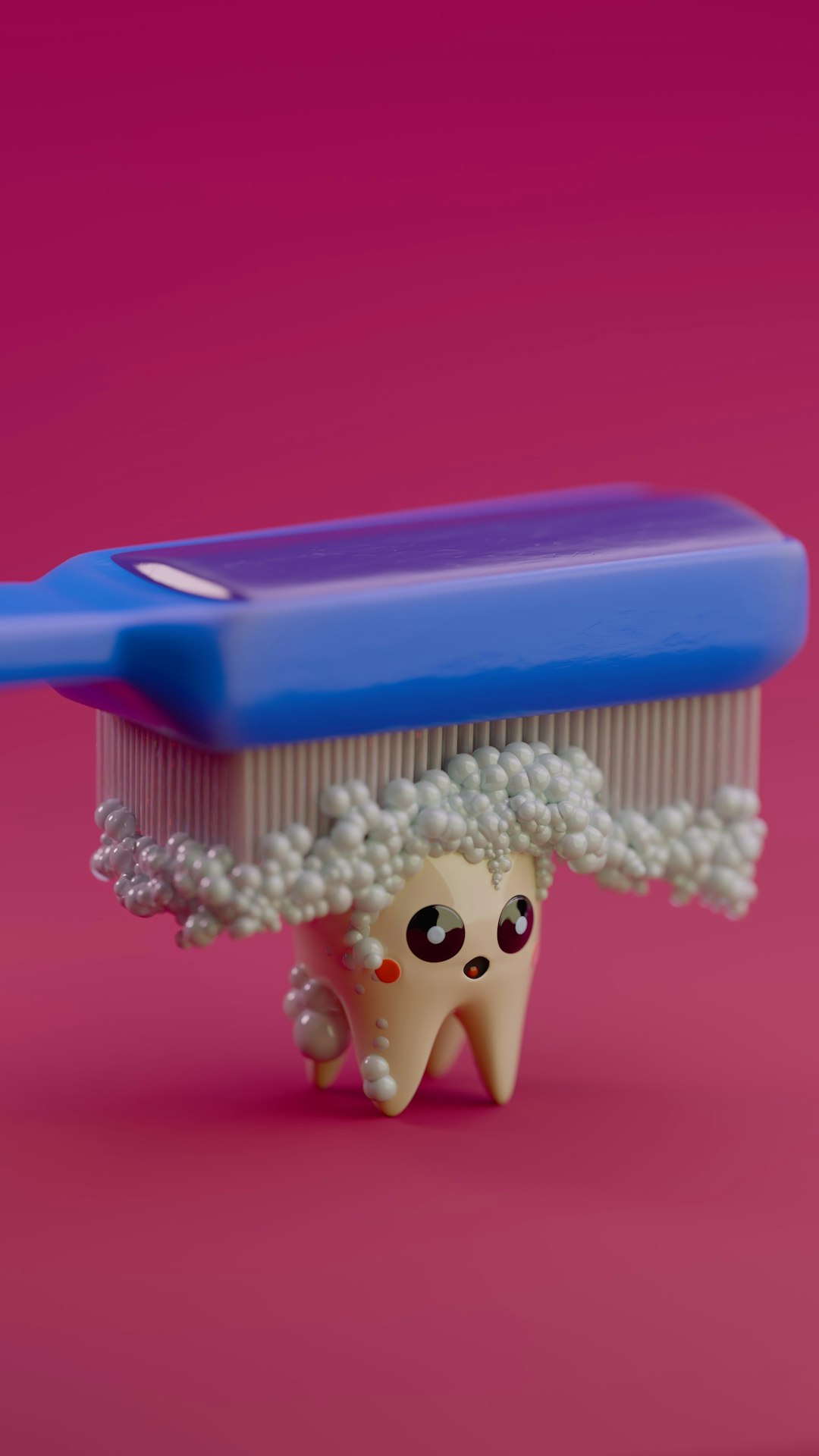
Mechanical devices that simulate jaw movements for accurate fabrication of dental restorations and prosthetics.
High-temperature ovens used for firing and glazing ceramic dental restorations to achieve proper strength and aesthetics.
Systems for melting and casting dental alloys into precise forms for crowns, bridges, and other metal restorations.
Precision equipment for trimming and finishing plaster or stone dental models to proper specifications.
Devices that mix dental impression materials and investments under vacuum to eliminate air bubbles and ensure accuracy.
Laboratory handpieces and motors used for grinding, polishing, and finishing dental prosthetics and appliances.
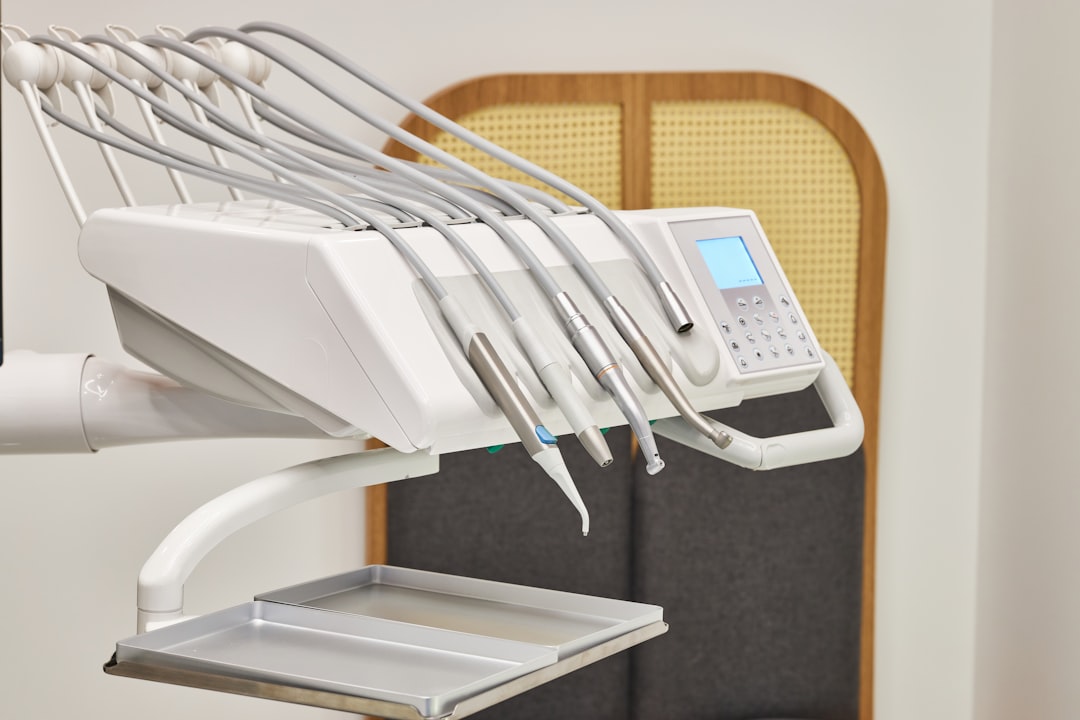
Steam sterilization devices that use high pressure and temperature to eliminate all forms of microbial life from dental instruments.
Pre-sterilization devices that use ultrasonic waves to remove debris and contaminants from dental instruments.
Automated systems that clean and thermally disinfect dental instruments before sterilization.
Testing systems used to verify the effectiveness of sterilization processes and ensure proper functioning of autoclaves.
Devices for packaging sterilized instruments in protective pouches that maintain sterility until use.
Monitoring strips and tapes that change color to indicate exposure to sterilization conditions.
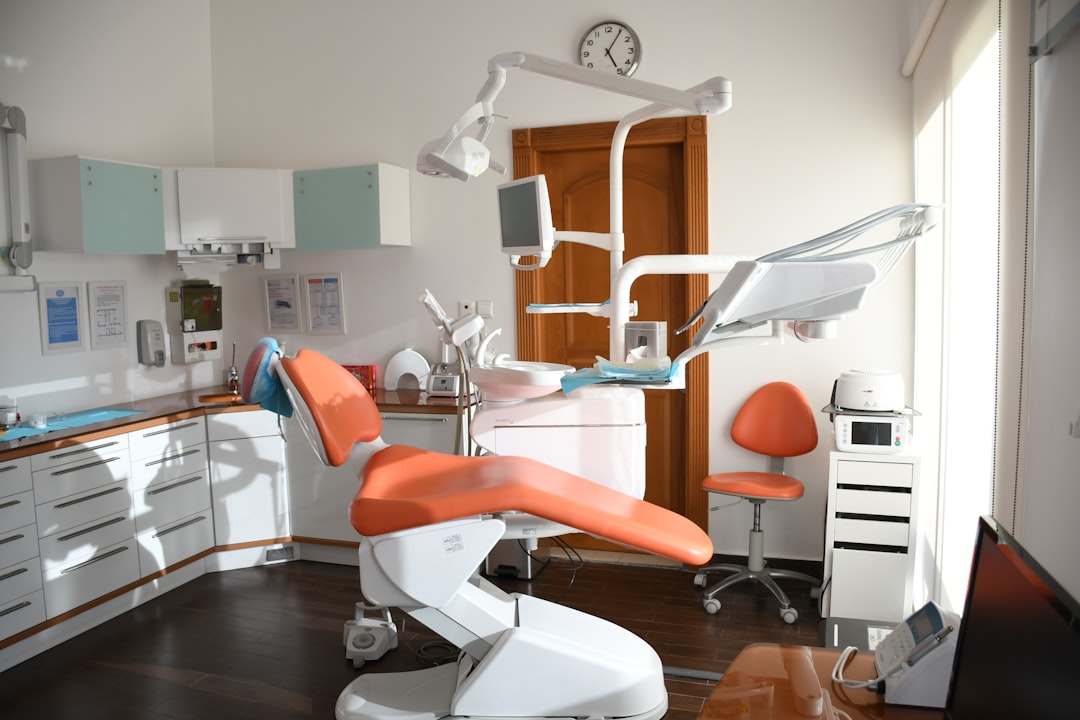
Digital and analog radiography equipment for capturing images of teeth, jaws, and surrounding structures.
Small cameras designed to capture detailed images inside the mouth for documentation and patient education.
Cone beam computed tomography systems providing three-dimensional images for complex diagnostic and planning purposes.
Electronic devices that determine the length of root canals during endodontic procedures.
Instruments that use various technologies to detect early tooth decay that may not be visible to the eye.
Instruments used to assess tooth vitality and detect abnormalities through controlled tapping.